
Bilingual GEO Gives Hong Kong an Edge in AI Search Results
Updated on: 31 August 2026
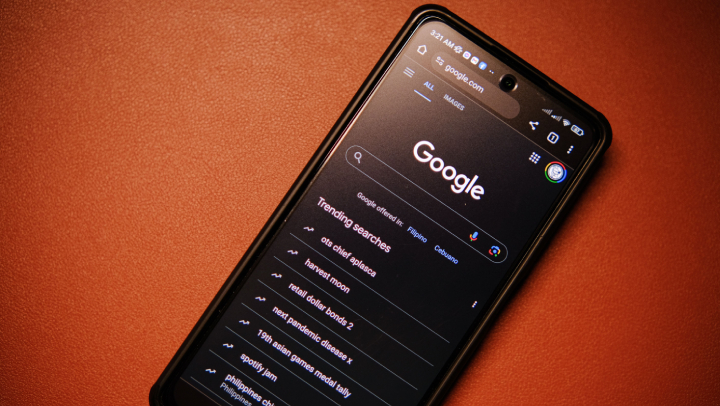
Ask a question on ChatGPT, Perplexity or Google’s AI Overviews today, and you’ll notice something has changed. You’re no longer scrolling through ten blue links hoping one has your answer. The AI reads everything for you and hands back a single, confident summary, often without you ever clicking through to a website. For businesses that spent years chasing the top spot on Google, this shift can feel unsettling.
Hong Kong businesses, though, are sitting on an advantage most of the world doesn’t have. This is a city that has always operated in more than one language, switching effortlessly between Cantonese, English and Mandarin depending on who’s in the room. That everyday habit turns out to be exactly what generative engine optimisation, or GEO, rewards. Content that speaks to readers in the language they actually search in gives AI systems more to work with, and more reasons to trust and recommend a brand.
What GEO Actually Means for a Hong Kong Business
Search engine optimisation was built around ranking pages. GEO is built around being the source an AI model chooses to summarise, quote or recommend when someone asks it a question. The mechanics behind this are different. AI models are trained to pull from content that is clear, well-structured and answers a question directly. Keyword stuffing aimed at pleasing an algorithm no longer gets the same results.
According to HKT’s Hong Kong Business AI Adoption Survey Report, 67% of respondents have already implemented, are piloting or plan to use AI, with adoption rising to 79% among large enterprises. That’s a lot of decision-makers, customers and researchers who are increasingly asking AI tools for recommendations before they ever type a brand name into Google. If your content only exists in English, or only exists in Cantonese, you’re only showing up for half the conversation.
The Bilingual Advantage Hong Kong Already Has
Most businesses trying to build multilingual content are starting from nothing. Hong Kong companies usually aren’t. Customer service teams already switch between languages daily. Marketing materials often exist in more than one version already. The building blocks are there, they just haven’t been organised with AI search in mind.
This is a bigger deal than it might seem, because AI models don’t simply translate a page and call it done. They look for genuine cultural and linguistic fluency, the kind that comes from writing content in Cantonese or Mandarin from scratch instead of running an English article through a translation tool. A financial services firm, for example, is far better served by publishing separate, properly localised explainers in English and Traditional Chinese than by publishing one page with an awkward machine-translated section bolted on underneath.
For brands worried about surviving the click drop as AI answers replace search clicks, bilingual visibility is one of the more reliable ways to stay in the conversation, since it simply gives an AI model more places to find and trust your brand.
How AI Models Actually Read Bilingual Content
AI search tools don’t rank pages the way Google used to. They pull fragments from across the web, cross-reference them, and stitch together an answer. A few things decide whose content gets picked, and the list below covers the main ones:
- Clear, direct answers near the top of the page, instead of long introductions before the useful part
- Content published separately in each language, instead of one page split in half
- Consistent facts and terminology across every language version, since contradictions between an English and Chinese page can quietly hurt trust
- Genuine expertise signals, such as author credentials, real business details and accurate, current information
None of this is exotic. It’s closer to good, honest content practice than any kind of technical trick. The businesses doing well here are the ones treating their Chinese-language content with the same care as their English content, not as an afterthought.
Practical Steps Hong Kong Businesses Can Take Now
Getting started doesn’t require an overhaul. A few sensible moves make a real difference:
- Audit your existing content to see which pages have proper Cantonese or Mandarin versions and which are missing entirely
- Write FAQ-style sections that mirror how people actually phrase questions to AI tools, in both languages
- Keep facts, pricing and contact details identical across every language version of your site
- Update older pages regularly, since AI tools tend to favour content that looks current and well maintained
- Structure headings and subheadings so an AI model can quickly identify what each section answers
None of these steps need to happen all at once. Even tackling your most important service pages first puts you ahead of competitors who haven’t thought about this yet.
Common Mistakes Worth Avoiding
A surprising number of businesses undo their own progress here. Publishing a Chinese page purely for the sake of having one, then leaving it untouched for years, sends a weak signal. So does relying entirely on automated translation without a native speaker reviewing the result. Small errors in tone or phrasing can be the difference between content that reads naturally and content that reads like it was written for a machine instead of a person.
Another common misstep is treating English content as the “real” version and Chinese content as a lesser copy. AI models don’t see it that way, and increasingly, neither do customers. A properly researched, well-written Chinese article can outperform its English counterpart if it answers the question more precisely.
Bringing Both Sides Together
Hong Kong’s multilingual identity was never really about marketing. It’s simply how the city works. What’s changed is that AI search has started rewarding that identity in a very direct, measurable way. Businesses that lean into it, instead of treating language as an afterthought, are the ones showing up when it counts, in the exact moment a customer is asking an AI tool for a recommendation.
This is precisely where a bridge between Singapore and Hong Kong makes a genuine difference. Impossible Marketing works across both markets, combining hands-on experience in Hong Kong and Greater China with a Singapore-based team that understands how to build GEO-ready content for both audiences. If you’re ready to make sure your business gets found, in whichever language your customers are searching in, get in touch with Impossible Marketing to see how bilingual GEO could work for you.